
ADAS Calibration on the Sunshine Coast
- Restores Safety Features – Ensures lane assist, emergency braking and adaptive cruise control work properly.
- Precision Calibration – Uses manufacturer-approved equipment for pinpoint accuracy.
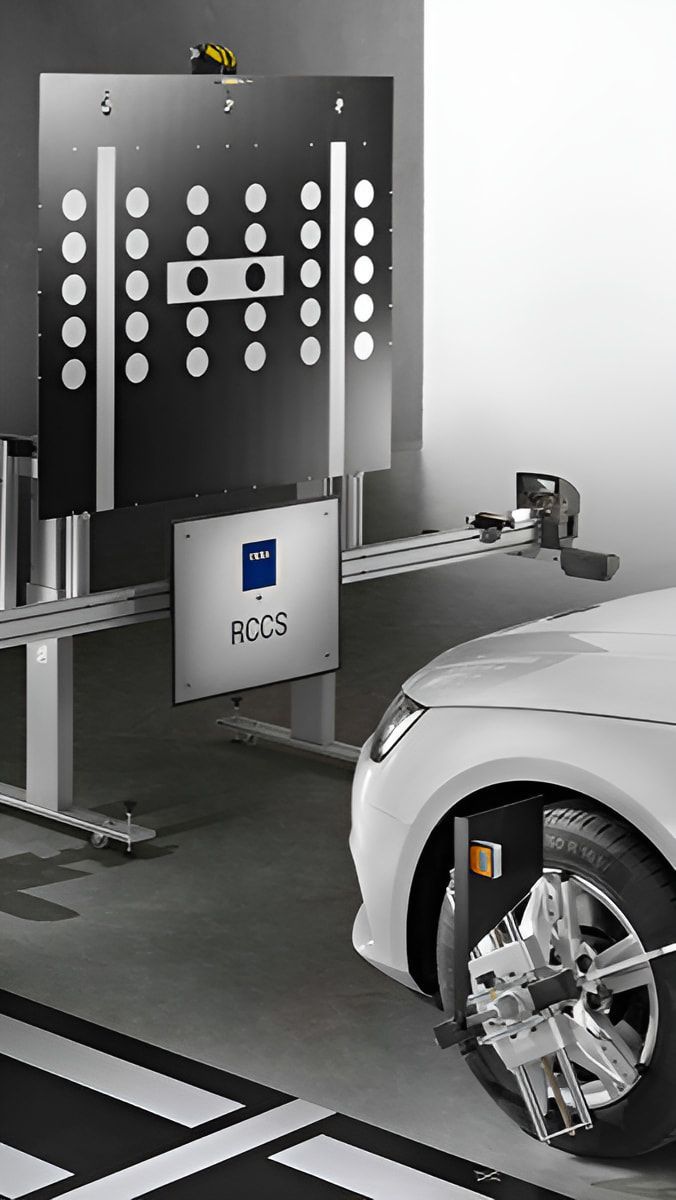
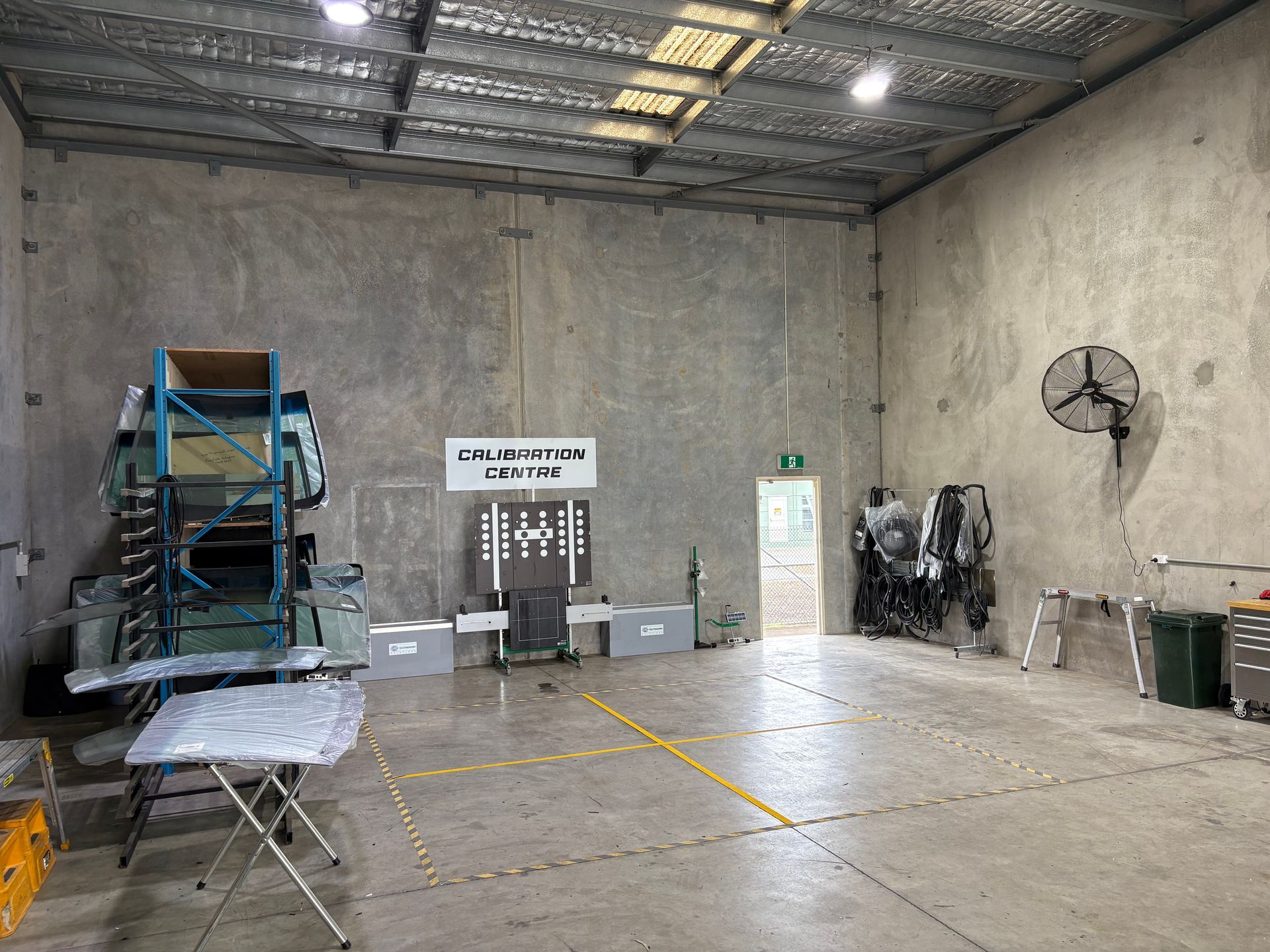
- Static & Dynamic Calibration – We calibrate according to your vehicle’s specific requirements.
Fast & Affordable
Locally Owned
Mobile Service
Insurance Approved
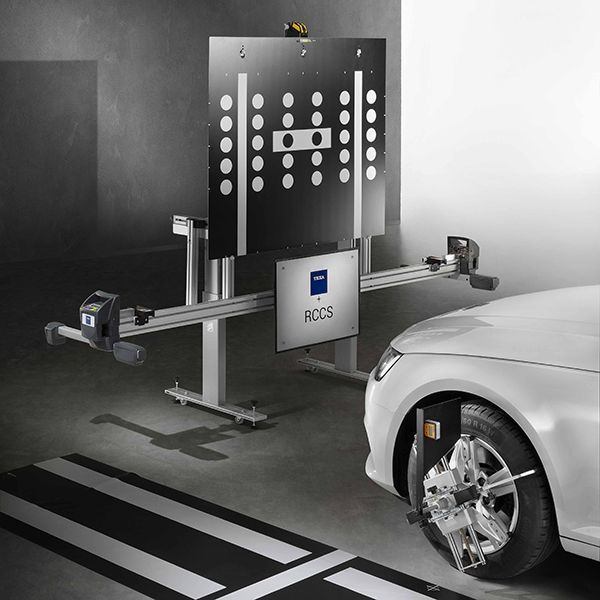
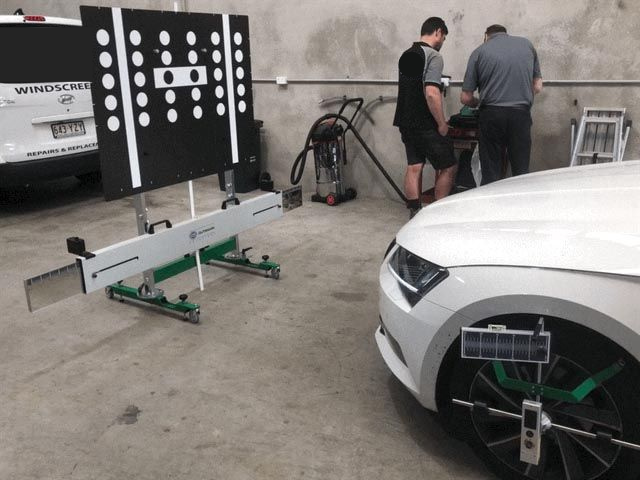
Expert ADAS Calibration for Safer Driving
The team at Sunshine Coast Windscreens offer ADAS Calibration services to ensure your vehicle meets the current safety standards required by law. The Advanced Driver Assistance System (ADAS) provides drivers with the required levels of automated safety features expected in today’s modern vehicles.
The surge of ADAS features in modern-day cars support braking, steering and help avoid collisions with other motorists. As ADAS technology improves, the team at Sunshine Coast Windscreens continues to invest heavily in ADAS technology and offers the ability to accurately calibrate your car to exacting standards.
The functions of ADAS features rely on sensors continuously and accurately monitoring the environment around the vehicle, making these sensors a safety-critical aspect of any repair process.
Our mobile windscreen repair service means we provide ADAS calibration across the Sunshine Coast (conditions apply). Driving with an uncalibrated ADAS compromises safety, so make sure your vehicle’s systems are working as they should—call (07) 5443 4403 today to book your ADAS calibration service.
Features of Advanced Driver Assistance Systems
Autonomous Emergency Braking
The system is a small feat of genius that detects when you’re not doing your job braking quickly enough, and steps in for you. Not only that, but in some cases, it even prevents you from having any rear-end accidents, ever, at speeds of up to 60km/h.
Adaptive Cruise Control
An adaptive cruise control system, also known as active cruise control, helps mitigate those risks by automatically adapting to changing traffic conditions, slowing down or speeding up with traffic as needed.
Traffic Sign Recognition
Traffic Sign Recognition (TSR) is an in-vehicle technology which attempts to read and interpret roadside traffic signs. Vehicle manufacturers are moving towards enabling speed assistance and automated driving using TSR systems and the benefits of successful introduction are likely to be significant for road safety.
Blind Spot Detection
The blind spot monitor is a vehicle-based sensor device that detects other cars located on the driver’s side and to the rear. Warnings can be visual, audible, vibrating or tactile. However, blind spot monitors are an option that may do more than monitor the sides and rear of the vehicle.
More Features of ADAS
Lane Keep Assistance
Lane departure warning only alerts you, either with an audio/visual prompt or in some cases haptic feedback through the steering wheel, the seatbelt or seat cushion, whereas lane keeping assistance is a pro-active system that can intervene and manipulates the steering to prevent you from veering outside your lane.
Cross Traffic Detection
Rear-facing cameras work well, but they can only show so much. This gave rise to automated rear cross traffic alert systems, which give the driver an audible warning if an object outside the camera’s field of view approaches the vehicle.
Remote Active Park Assist
Remote Park Assist uses smart assistance systems to allow drivers to control the parking of a Porsche vehicle from a compatible smartphone. For instance, the system is able to use “parking spot search,” an innovative feature that detects and indicates available parking spots as you drive by.
Adaptive Headlamps
Adaptive headlights actively respond to changing conditions, aiming to provide drivers with better visibility and more time to react to conditions ahead. It’s a term that encompasses several different features, most common of which is curve-adaptive headlights.
ADASs: Potentially Life-Saving Futuristic Technology
Most modern cars are equipped with Advanced Driver Assist Systems (ADASs).
These high-tech safety systems, such as Autonomous Emergency Braking and Lane Keeping Assist, are designed to save lives by alerting the driver to a hazard or by automatically taking the necessary action to prevent a collision.
Many different Advanced Driver Assist Systems are now commonly in use by major vehicle manufacturers. As of 2022, up to 11 Advanced Driver Assist Systems are mandatory on all new cars.
How ADAS Works
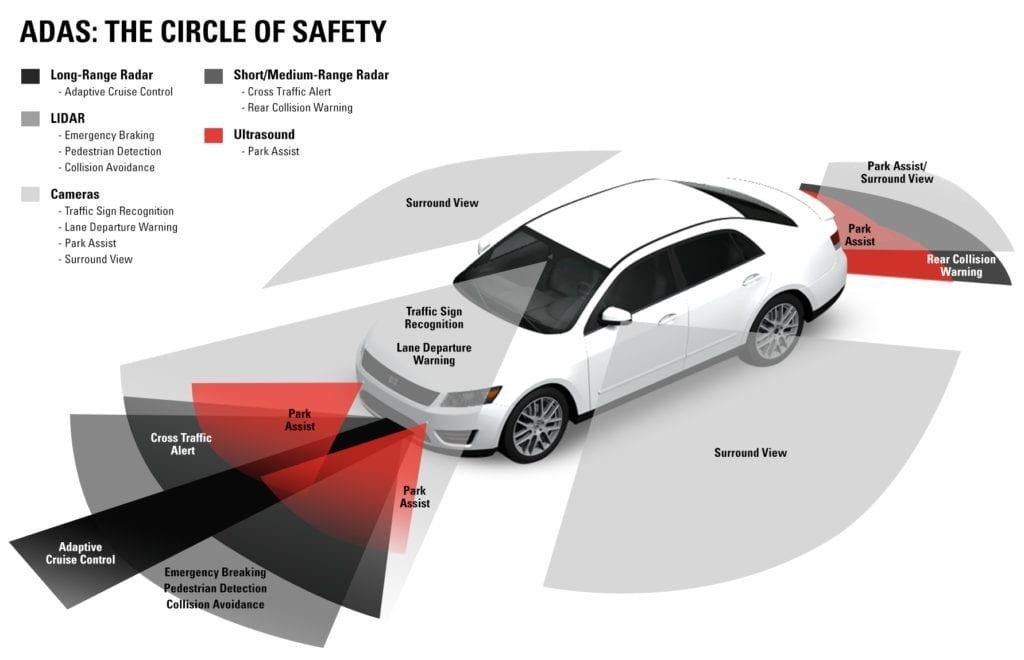
Most Advanced Driver Assist Systems use either a camera mounted behind the windscreen and/or radar sensors located in the grille or bumper, which detect road markings and speed limit signs, other road users and pedestrians, depending on the vehicle’s safety features.
Some vehicles are equipped with a rear camera to make reversing easier. Many high-end models even have multiple cameras and sensors, giving the driver a full 360° view and detecting objects beside and behind of the vehicle.
For Autonomous Emergency Braking (AEB) and Autonomous Cruise Control (ACC), cameras or radar sensors detect slower or stationary objects ahead. If the driver doesn’t react, the system warns them and automatically brakes to prevent a collision if needed.
Frequently Asked Questions
What happens if I don’t get ADAS calibration after a windscreen replacement?
If your vehicle’s ADAS isn’t recalibrated, safety features like lane assist, emergency braking and collision warnings may not function properly. Even a minor misalignment can cause false alerts or delayed reactions, putting you and other drivers at risk.
Calibration ensures your car’s systems work accurately, just as the manufacturer intended.
How do I know if my car needs ADAS calibration?
If your vehicle has cameras or sensors mounted to the windscreen, calibration is likely required after a windscreen replacement, wheel alignment or collision repair.
Your dashboard may show ADAS warning lights or you might notice unusual behavior, like incorrect lane departure alerts. A professional assessment ensures your system is working correctly.
How long does ADAS calibration take?
Calibration typically takes between 30 minutes and 2 hours, depending on the vehicle and the type of system.
Static calibration requires precise adjustments in a workshop, while dynamic calibration involves a test drive under specific conditions. The process ensures your ADAS features work exactly as they should.


